
Which Basement Waterproofing Methods Work Best for Syracuse Homes?
Basement waterproofing covers the systems and techniques that stop water from entering your basement, control humidity, and protect your foundation. In Syracuse, the seasonal snowmelt, freeze–thaw cycles, and clay-heavy soils make a solid waterproofing plan especially important. This guide walks through why basements leak, how to diagnose common failure modes, and which interior and exterior solutions reliably keep basements dry in Central New York. You’ll get clear comparisons of sealants, interior drainage with sump pumps, exterior membranes and drain tiles, crack repair options, crawl space encapsulation, and seasonal maintenance tailored to Syracuse conditions. We also weave relevant terms homeowners search for — like basement waterproofing solutions syracuse, french drain installation syracuse, and preventing basement leaks in central new york — into practical recommendations you can use right away.
What Causes Basement Water Problems and How Can You Identify Them?
Most basement water problems come from three main sources: surface runoff that pools at the foundation, groundwater and hydrostatic pressure that push water through joints and cracks, and condensation caused by indoor–outdoor humidity differences. These issues often overlap — for example, clogged gutters or grading that slopes toward the house concentrates surface water at the foundation while spring thaw and heavy rains raise groundwater levels. Figuring out which mechanism is dominant helps decide whether you need interior containment, exterior exclusion, or structural repair. Below is a short checklist of visual and smell-based clues homeowners can use to triage the problem.
Common causes to consider when diagnosing a wet basement:
- Poor exterior grading that channels water toward the foundation instead of away from it.
- Clogged gutters or short downspouts that dump water at the foundation line.
- Hydrostatic pressure from saturated soils that forces water through pores, joints, and cracks.
- Foundation cracks, cold joints, or leaking utility penetrations that create direct water pathways.
These causes frequently occur together; treating only one often leads to recurring leaks. The section below explains how to tell active water intrusion apart from condensation or an old, one-time event.
What Are the Common Signs of Basement Water Damage?
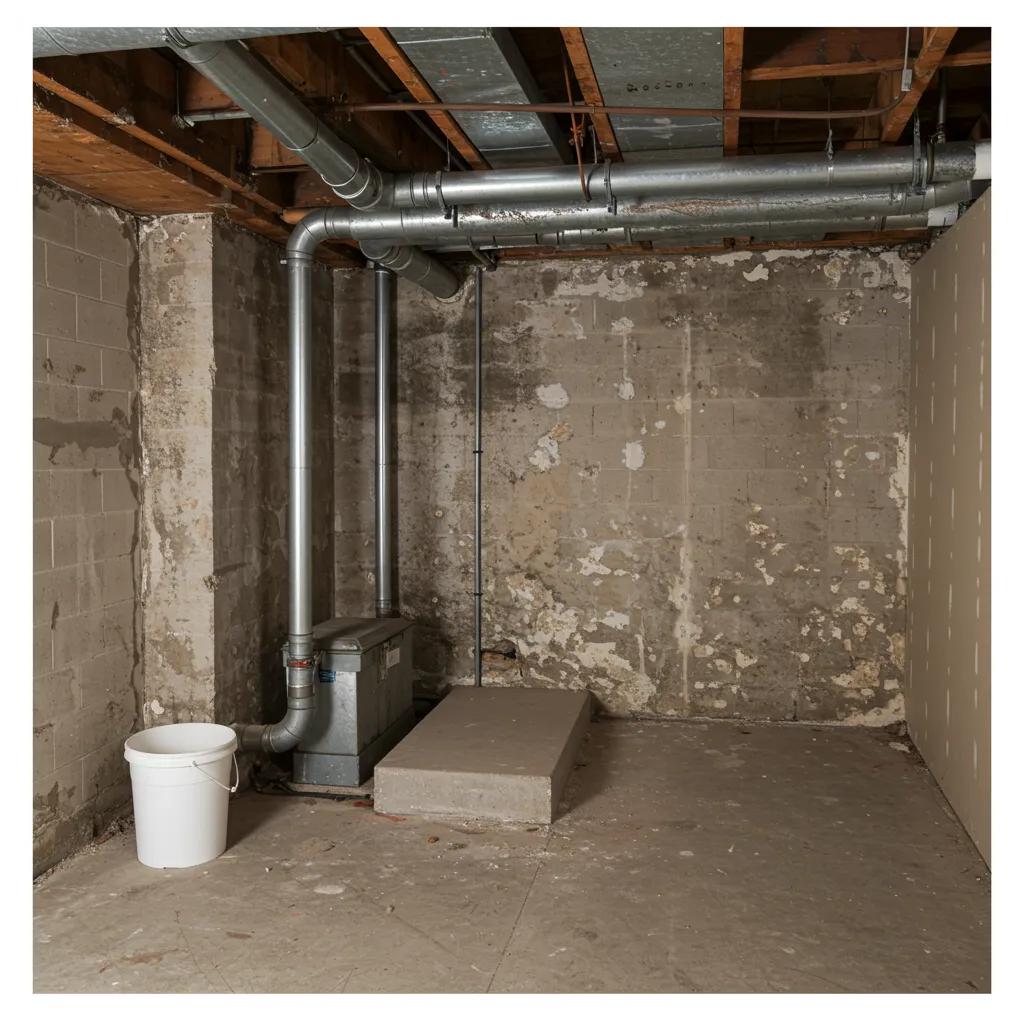
Damp spots on walls, puddles on the floor after rain, and efflorescence (white mineral streaks) on concrete or masonry are clear signs water is moving through the barrier. Homeowners also commonly report musty odors, warped wood, or mold on drywall — signs of chronic elevated humidity rather than a single incident. Stain patterns help locate the source: vertical streaking or a damp band near the floor often points to groundwater seepage, while isolated drips near penetrations usually indicate plumbing or roof drainage issues. Catching these signs early lowers the risk of structural damage and indoor air quality problems, and helps you choose between surface treatments, a drainage install, or a professional structural inspection.
How Do Hydrostatic Pressure and Foundation Cracks Lead to Basement Leaks?
Hydrostatic pressure is the force exerted by saturated soil and groundwater against foundation walls and floors. When that pressure exceeds what the concrete or mortar joints can resist, water is forced through pores, cracks, and seams. Hairline cracks often cause slow seepage and can be handled with flexible injection materials, while larger or widening cracks — especially horizontal or stair-step patterns — may signal settlement or structural movement that needs heavier repair. Hydrostatic pressure combined with foundation defects turns a manageable problem into a persistent leak because water always follows the path of least resistance. Distinguishing pressure-driven leaks from surface overflow is critical for choosing between interior drainage, exterior dewatering, or structural stabilization.
What Are the Most Effective Interior Basement Waterproofing Methods?
Interior waterproofing focuses on stopping vapor transmission and capturing water after it enters the basement. Common strategies include surface sealants and coatings, interior drainage systems (often called interior French drains or weeping tiles) that collect water at the footing and route it to a sump pit, and vapor barriers or insulated finishes to control humidity and thermal bridging. Interior systems work well when exterior excavation isn’t practical, when active drainage and pumping can relieve hydrostatic pressure, or when homeowners want a less invasive option. Comparing cost, lifespan, and maintenance needs helps decide when interior methods are enough and when they should be paired with exterior measures.
Interior options compared for quick reference and decision-making:
The table shows interior drainage with a reliable sump pump handles hydrostatic issues far better than coatings alone. The next sections dive deeper into sealants and interior drain systems.
How Do Interior Sealants and Coatings Protect Basement Walls?
Interior sealants and cementitious coatings reduce water vapor transmission and block light seepage through porous masonry by creating a surface barrier that resists capillary action. Common products include epoxy-based coatings, which provide a durable finish, and cementitious sealers that bond to masonry to limit vapor movement. These systems perform best on dry or intermittently damp surfaces and are not designed to resist active groundwater pressure. Proper surface prep, crack repair, and sometimes primers are essential — poor preparation shortens service life. While coatings improve appearance and slow moisture migration, they rarely solve pressure-driven leaks on their own.
Because coatings have limits under pressure, many homeowners pair them with active drainage and sump systems to handle water that breaches the wall or floor.
What Role Do Interior Drainage Systems and Sump Pumps Play in Waterproofing?
Interior drainage systems typically use a perforated pipe placed at the footing perimeter in gravel and routed to a sump pit. That system intercepts groundwater before it floods the slab and sends it to a sump pump, which discharges the water away from the foundation. Sump pumps are available as submersible or pedestal units; battery backup systems are highly recommended in Syracuse, where storms and thaw cycles can coincide with power outages. Routine maintenance — annual tests and pit cleaning — extends pump life. Properly installed interior drains relieve hydrostatic pressure and keep finished spaces dry, making them a proven solution for pressure-driven seepage. Choose pump capacity and backup based on expected inflow and local conditions, and follow a preventive maintenance routine to ensure reliability.
If you need installation or upgrades, SDry Basement Waterproofing Syracuse offers professional sump pump installation with battery backup options to keep your home protected during outages.
What Exterior Basement Waterproofing Solutions Provide Long-Term Protection?
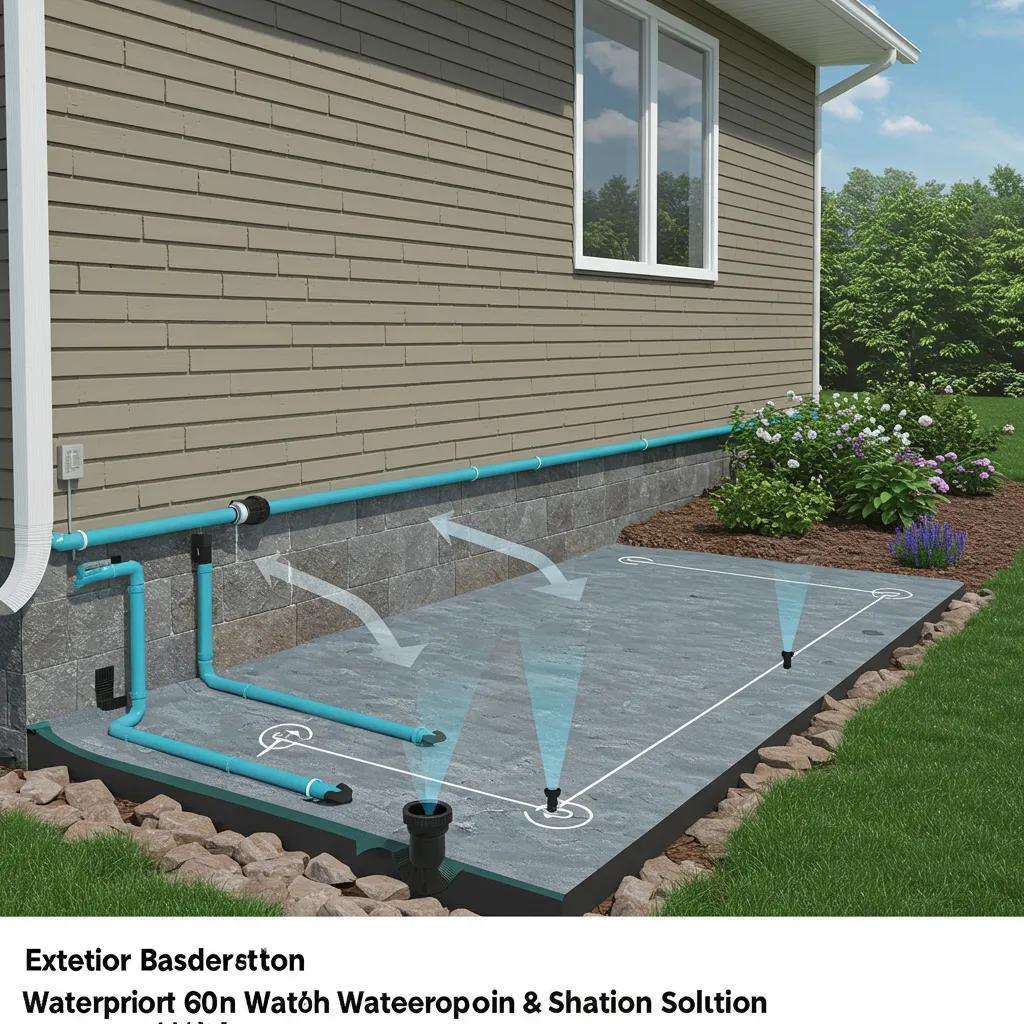
Exterior waterproofing aims to stop water before it reaches the foundation by installing an impermeable barrier and redirecting groundwater and surface runoff away from the wall. Core exterior solutions include applied membranes (liquid or sheet), exterior French drains or drain tiles at footing level, and landscape grading plus downspout management to control surface water. Exterior work is often the best choice where hydrostatic pressure is high, when infiltration starts outside the wall, or when interior finishes make internal work impractical. When combined with proper drainage, exterior membranes can keep groundwater out for the long term and reduce the need for repeated interior fixes.
Exterior approaches compared by depth of work and when they’re recommended:
Exterior membranes plus drainage are the most durable option but require excavation and more upfront investment; surface adjustments, however, are a low-cost first step that often prevents bigger problems. Below we explain membranes and surface management in more detail.
How Do Exterior Waterproofing Membranes and Drainage Systems Work?
Exterior membranes create a continuous barrier on the outside of the foundation after excavation and wall cleaning, blocking groundwater and stopping moisture from migrating through pores and joints. Sheet-applied membranes give consistent thickness and puncture resistance; liquid-applied membranes conform to irregular surfaces and can seal small voids. Both need careful surface prep and correct terminations at the footing. Exterior drainage installed at the footing intercepts water before it reaches the wall and routes it to storm drains or daylight points; intercepting water at the source significantly lowers hydrostatic pressure. The strongest exterior programs combine membrane sealing with drain tiles for homes with high groundwater.
A well-designed exterior system reduces the burden on interior controls and lowers long-term maintenance compared with interior-only fixes — which is why grading and downspout management are part of every comprehensive plan.
Why Are Landscape Grading and Downspout Extensions Crucial for Basement Protection?
Surface drainage is your first line of defense. A consistent slope away from the foundation of several inches over the first few feet reduces pooling risk, and downspout extensions that discharge water well away from the house prevent concentrated runoff at the base. Vegetation, patios, and soil compaction all affect how quickly water infiltrates or sheds; sometimes regrading or replacing compacted soil with free-draining topsoil resolves recurring problems. Proper surface management reduces load on both exterior and interior systems and lowers the chance of hydrostatic buildup in spring. Simple grading and downspout changes are cost-effective measures that complement membrane and drainage work to create layered protection.
Once surface control is addressed, foundation crack repair becomes the next critical step, since cracks remain common water pathways even after grading is fixed.
How Can Foundation Crack Repair Techniques Prevent Basement Water Intrusion?
Crack repair targets the actual pathways where water and soil gases enter the basement, using injection materials and structural fixes to restore integrity and stop leaks. Two common injection materials are epoxy (for structural bonding) and polyurethane (for flexible sealing of active leaks). Choose based on crack width, movement, and whether the crack is actively leaking. When movement, bowing, or settlement is severe, structural repairs like wall anchors or underpinning are needed to stabilize the foundation before or during waterproofing. Timely crack repair not only stops current water intrusion but also prevents deterioration that can increase scope and cost later.
Compare injection and repair methods in plain terms:
What Are the Best Methods for Basement Crack Injection and Repair?
Epoxy injection restores tensile strength by bonding concrete and is the go-to when structural integrity matters; technicians inject low-viscosity resin under pressure to fill voids and re-create a monolithic section. Polyurethane injection expands to seal active leaks and remains flexible to handle minor movement, making it ideal when water is flowing through a crack. The right choice depends on crack width, activity, and expected movement; a thorough inspection tells whether injection alone is enough or if stabilization is required. Proper surface prep and following manufacturer cure times are crucial for durable results with either material.
When Is Structural Foundation Repair Necessary for Waterproofing?
Structural foundation repair is called for when cracks come with warning signs like significant wall bowing, large horizontal cracks, differential settlement, or doors and windows that stick or won’t operate properly. Those signs indicate movement or load issues that injection alone can’t safely fix. Common structural techniques include wall anchors to pull bowed walls back, steel piers or helical piles to transfer loads to competent soils, and underpinning to restore footing support. Combining structural repair with waterproofing ensures the repaired wall stays dry and durable. Fixing structural issues first prevents wasted expense on surface treatments that will fail if movement continues.
After foundation repair, many homeowners also address crawl space encapsulation and moisture control to improve whole-house durability and indoor air quality. For Syracuse residents, SDry Basement Waterproofing Syracuse provides basement crack repair and foundation repair services, crack injection techniques, and tailored waterproofing solutions. We back our work with free estimates, NY Licensed and Insured credentials, flexible payment plans, high-quality materials, and an A+ rating from the Better Business Bureau.
What Are the Benefits of Crawl Space Encapsulation and Moisture Control?
Crawl space encapsulation installs a continuous vapor barrier over the dirt floor, seals vents and penetrations, and pairs the barrier with dehumidification or conditioned air as needed to control moisture and reduce soil gas entry. Encapsulation lowers sub-slab humidity, prevents wood rot and insulation damage, and improves energy performance by stabilizing floor temperatures. It also limits pathways for mold spores and dust to enter HVAC returns, which can noticeably improve indoor air quality. With a properly sized dehumidifier and sealed penetrations, encapsulation turns a damp crawl space into a dry, usable area that supports healthier home performance.
Key components of a professional encapsulation program include:
- A heavy-duty vapor barrier with taped seams and sealed edges to the foundation wall.
- Sealing of vents and installing conditioned or balanced ventilation where required.
- A commercial-grade dehumidifier sized for the crawl space volume and expected moisture load.
These measures deliver measurable improvements in humidity control, energy efficiency, and durability, protecting HVAC systems and interior finishes from moisture damage. The section below explains how encapsulation affects indoor air quality.
How Does Crawl Space Encapsulation Improve Indoor Air Quality?
Sealing the crawl space and installing a vapor barrier reduces the amount of soil moisture and particulates entering the living space through floor joists and ductwork, lowering relative humidity and cutting mold spore counts. Conditioning or ventilating an encapsulated crawl at slightly positive pressure helps prevent soil gases like radon from infiltrating and works well alongside radon mitigation when needed. Lower humidity also reduces biological growth on organic materials and improves HVAC filter performance, increasing occupant comfort and reducing allergen loads. Monitoring humidity and keeping the dehumidifier maintained ensures the system continues to support healthy indoor air quality over time.
With the indoor-air benefits clear, the next step is picking the right vapor barrier and dehumidifier for your home.
What Are Effective Crawl Space Vapor Barriers and Dehumidification Methods?
Effective vapor barriers are thick, puncture-resistant sheets (commonly 8–20 mil) with reinforced seams and proper sealing to foundation walls and footings; gaps or poor taping will negate the barrier’s effectiveness. Choose a dehumidifier based on crawl space volume, expected moisture load, and operating temperatures; commercial encapsulation systems often use units rated above typical basement models and include condensate management and proper drain routing. Regular maintenance — filter changes, annual service checks, and monitoring humidity targets (typically 30–50%) — keeps the system working. A robust barrier plus a correctly sized dehumidifier and sealed mechanical penetrations provides long-term moisture control and protects wood and insulation from damage.
How Do Preventative Maintenance and Additional Measures Enhance Basement Waterproofing?
Preventative maintenance cuts the chance of waterproofing failure by addressing the usual culprits: clogged gutters, blocked drains, failing sump pumps, and compromised vapor barriers. Regular inspections, seasonal checks, and a simple maintenance schedule extend the life of waterproofing systems and catch small issues before they grow costly. Complementary measures like dehumidifiers for humidity control and radon mitigation for air safety work alongside waterproofing to protect both health and structure. A proactive plan that combines homeowner tasks with scheduled professional inspections gives the most reliable protection against Syracuse’s seasonal moisture challenges.
A homeowner-ready seasonal checklist helps you stay on top of things:
- Spring: Inspect exterior grading, clear gutters, and test sump pump operation after thaw.
- Summer: Check perimeter grading and downspout outlets; service dehumidifiers and inspect vapor barriers.
- Fall/Winter: Clean gutters and extend downspouts, test backup power for sump pumps, and watch for ice-damming risks.
Following this checklist reduces reactive repairs and keeps systems ready when storms or rapid thaws occur. The next section explains how dehumidifiers and radon mitigation fit into a complete waterproofing plan.
How Can Dehumidifiers and Radon Mitigation Support Basement Waterproofing?
Dehumidifiers lower indoor relative humidity to recommended targets (generally 30–50%), limiting mold growth and musty odors even if minor seepage occurs; that helps protect finishes and stored items. Radon mitigation systems control soil gas entry by depressurizing the soil beneath slabs or by venting crawl spaces; while radon systems don’t directly stop water, coordinating mitigation with waterproofing and encapsulation prevents conflicts and ensures both moisture and air-quality goals are met. Test for radon and monitor humidity after waterproofing work to confirm the combined interventions achieve the desired results. Coordinated planning between waterproofing, encapsulation, and radon mitigation preserves both structural health and occupant safety.
Because waterproofing systems need ongoing care, many homeowners find maintenance plans helpful. SDry Basement Waterproofing Syracuse offers service and maintenance plan options, free estimates, and flexible payment plans to help budget for durable solutions.
What Seasonal Maintenance Steps Help Sustain Waterproofing Systems?
Keeping waterproofing systems reliable requires a few simple, repeatable tasks plus periodic professional checks. Test your sump pump before heavy rain seasons and confirm battery backups are charged and switches work; inspect and clear gutters and downspouts every fall to avoid ice build-up and concentrated runoff in spring. After winter, check exterior grading for settling and restore slope away from the foundation as needed, and verify interior sumps and pit covers are clean and intact. Schedule professional inspections annually or biennially for pumps, drain tiles, and membrane condition to maintain warranties and performance.
Small, regular investments in maintenance extend system life and reduce lifecycle cost compared with emergency repairs after a major leak — reinforcing the layered strategy of exclusion, collection, and removal.
If you prefer professional help tying these measures together, SDry Basement Waterproofing Syracuse can provide quality basement waterproofing in Syracuse — ask about free estimates and flexible payment plans to plan a long-term strategy that blends interior and exterior methods as needed.
Frequently Asked Questions
What are the long-term effects of basement water damage?
Left unaddressed, basement water damage can cause serious structural decline, mold growth, and degraded indoor air quality. Over time, moisture can rot wood, ruin insulation, and attract pests. Persistent dampness can also cause health issues like respiratory irritation from mold spores. Addressing water intrusion quickly prevents escalating damage and preserves your home’s value and safety.
How often should I inspect my basement for water issues?
Inspect your basement at least twice a year — spring and fall are good times. During checks, look for damp spots, mold, or musty smells. Test sump pumps and drainage systems, and make sure gutters and downspouts are clear. Regular inspections catch problems early and save on costly repairs later.
Can I waterproof my basement myself, or should I hire a professional?
Homeowners can handle basic tasks like applying sealants or improving surface drainage, but many waterproofing solutions need professional skills and equipment. Managing hydrostatic pressure, installing interior drain systems, or performing structural crack repairs are best left to licensed professionals to ensure long-term effectiveness. Hiring an expert helps avoid common DIY pitfalls and delivers reliable results.
What is the cost range for basement waterproofing services?
Costs vary widely by method, issue severity, and basement size. For many homes, comprehensive waterproofing — including interior drainage, sump pumps, or exterior membranes — typically ranges from $1,500 to $5,000. Extensive structural repairs or major exterior excavation can increase costs. Get multiple estimates and weigh long-term benefits when choosing a solution.
How can I prevent future water intrusion in my basement?
Prevention combines proper drainage, regular maintenance, and timely repairs. Keep gutters and downspouts clear and routed away from the foundation, maintain a slope that directs water away from the house, repair foundation cracks promptly, and consider a sump pump or dehumidifier for moisture control. These steps greatly reduce the risk of future leaks.
What are the signs that my basement waterproofing system needs maintenance?
Signs include visible water intrusion, musty odors, mold growth, or rising humidity levels. If your sump pump runs more often than usual or makes strange noises, it may need service. New or widening foundation cracks also signal trouble. Regular inspections and maintenance help catch these issues early and keep systems operating as intended.
Conclusion
Effective basement waterproofing protects your home’s structure and indoor air quality. By understanding why water intrudes and combining smart interior and exterior solutions, homeowners can greatly reduce leak risk. If you’d like expert, local help, contact SDry Basement Waterproofing Syracuse for a free estimate — we’ll help you choose the right mix of methods for a dry, healthy basement.