
How to Achieve Effective Basement Waterproofing on a Budget
Are you worried about basement moisture but concerned about costs? At SDry Basement Waterproofing Syracuse, we know how important it is to keep your home dry without overspending. Basement waterproofing in Syracuse doesn’t have to break the bank—there are practical, budget-friendly solutions that can protect your home from costly damage. In this guide, we’ll explore common causes of basement water issues, affordable exterior drainage options like french drains, and interior solutions such as foam insulation. With the right approach, you can safeguard your basement and avoid expensive repairs. Let’s take control of basement waterproofing together!
Identify Budget-Friendly Basement Waterproofing Methods
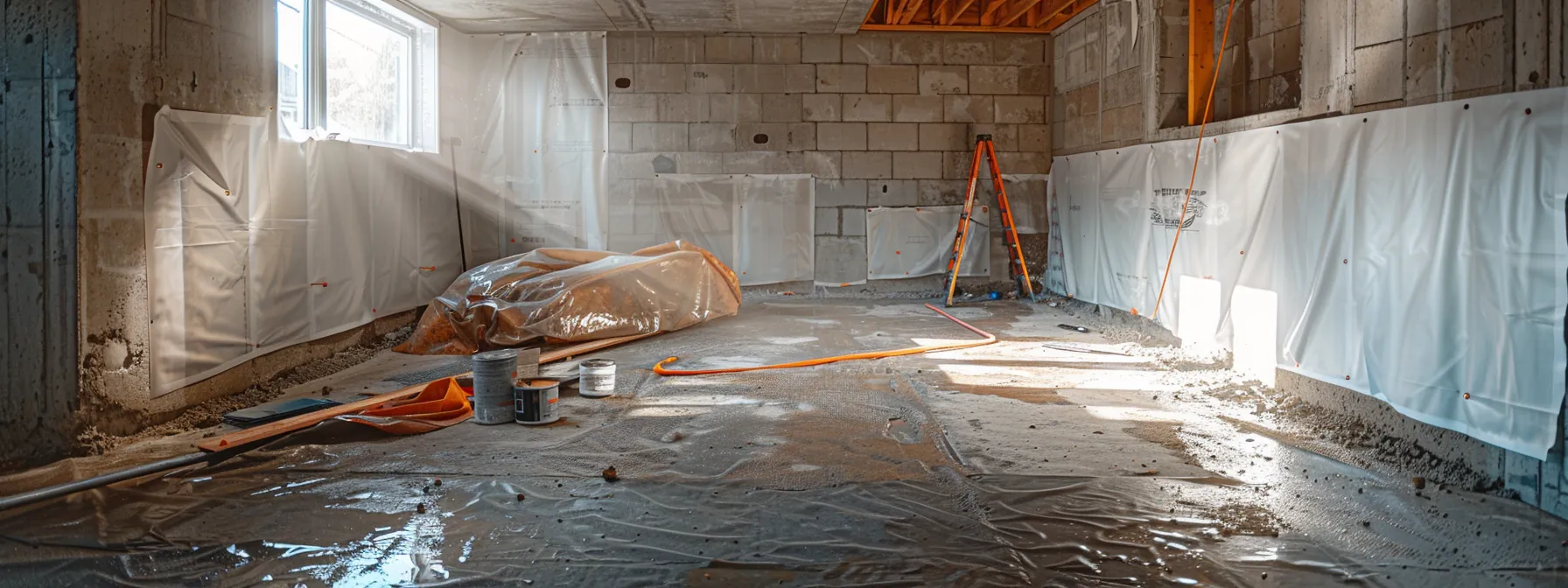
When considering budget-friendly basement waterproofing, we focus on practical and effective methods. We’ll evaluate the pros and cons of DIY solutions, explore affordable sealants and coatings, and research natural waterproofing alternatives. Each approach helps protect your home from moisture while keeping costs manageable, ensuring your foundation remains safe without breaking the bank.
Evaluate the Pros and Cons of DIY Solutions
When we consider DIY solutions for basement waterproofing, we weigh the benefits and drawbacks with care. On one hand, these methods can significantly reduce expenses for homeowners because they often require less investment than hiring professionals. However, if not done correctly, they may lead to basement water problems, mold growth, or unpleasant odors that could spread to your drywall. Regular inspection of your work is essential to ensure that your efforts are effective and lasting:
- Lower costs compared to professional services.
- Opportunity to learn and engage with home improvement projects.
- Risk of inadequate waterproofing leading to future issues.
- Potential for water damage if mistakes are made.
Consider Affordable Sealants and Coatings
As homeowners, we often seek budget-friendly waterproofing options without sacrificing effectiveness. Affordable sealants and coatings can defend against moisture intrusion while offering environmentally friendly solutions. For instance, applying a coat of waterproof sealant on your basement walls can seal cracks and prevent water from pooling, especially when combined with materials like gravel that help divert water towards a storm drain:
Research Natural Waterproofing Alternatives
Researching natural waterproofing alternatives can lead to effective solutions for homeowners looking to protect their basements on a budget. For example, using tile with proper grading can help channel water away from the foundation, promoting longevity and reducing moisture risks. Ensuring good adhesion when applying natural materials, such as clay or lime-based products, can create a barrier against water intrusion, safeguarding your basement against potential damage:
- Utilize natural clay or lime products for waterproofing.
- Implement effective grading techniques to direct water away.
- Incorporate tile in the drainage system for added protection.
- Focus on proper adhesion for long-lasting results.
Analyze Common Causes of Basement Water Issues
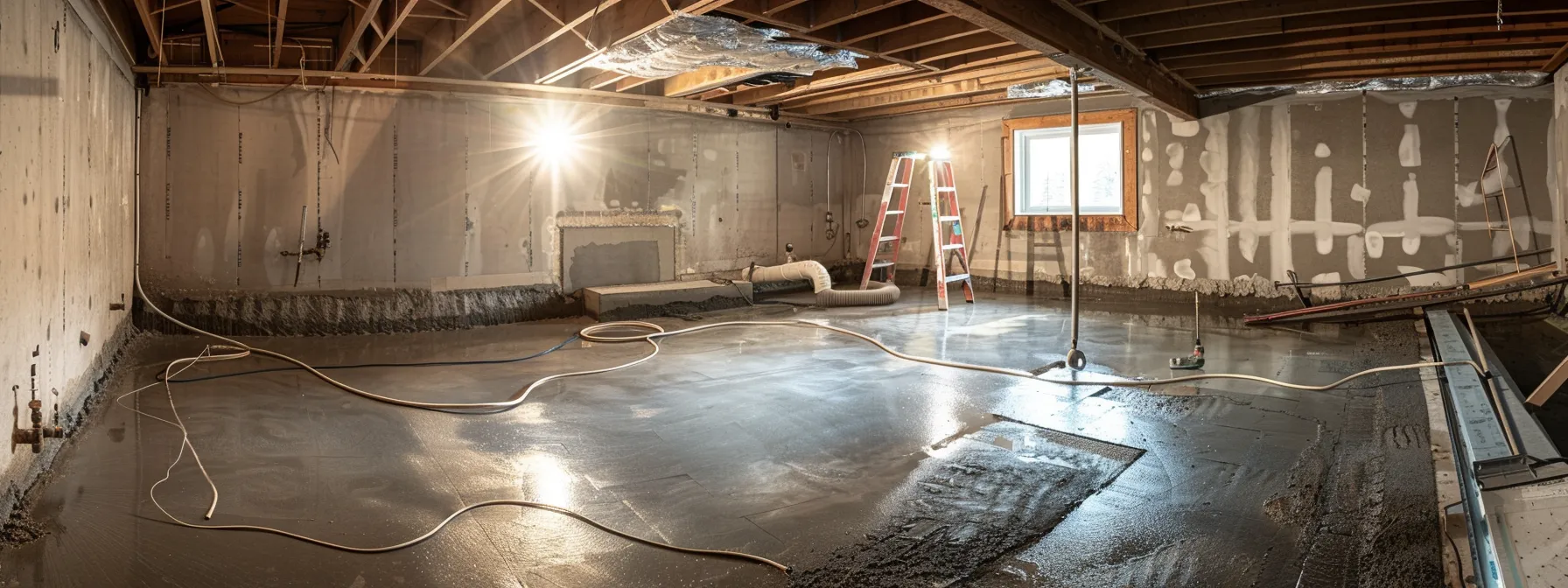
We need to analyze common causes of basement water issues to effectively prevent moisture problems without overspending. First, we will inspect for foundation cracks, allowing water to seep in. Next, we will assess drainage systems’ impact on crawl space moisture. Additionally, recognizing signs of mildew and other moisture intrusion will inform our waterproofing strategies.
Inspect for Foundation Cracks
When inspecting foundation cracks, we focus on identifying any potential pathways for water infiltration that can compromise our basement. Cracks in a concrete slab often result from settling or shifting in the foundation and can allow moisture from the yard to seep in, leading to costly damage over time. Taking proactive steps, such as applying rubberized asphalt coating along the exterior, can help seal these cracks and prevent future foundation repair needs, keeping our home dry and safe.
Assess Drainage Systems and Their Impact
Assessing drainage systems plays a crucial role in our basement waterproofing efforts. Proper drainage ensures that water flows away from our foundation, minimizing the chances of water intrusion that can lead to costly basement repair down the line. We must check for clogs and damage in gutters and downspouts, as inadequate ventilation can worsen moisture levels, further complicating our waterproofing strategies. By maintaining adequate drainage, we can safeguard our homes and take proactive steps to prevent water-related issues, ensuring both our peace of mind and the longevity of our investment.
Recognize Signs of Moisture Intrusion
Recognizing signs of moisture intrusion is essential for maintaining our home’s foundation and indoor air quality. Look for water stains on masonry walls or floors, which may indicate leaks from outside. Also, musty odors often signal dampness, leading to more significant expenses if mold develops. Regularly checking these signs allows us to tackle issues early, minimizing future repair costs and ensuring a dry, healthy basement environment.
Implement Effective Exterior Drainage Solutions
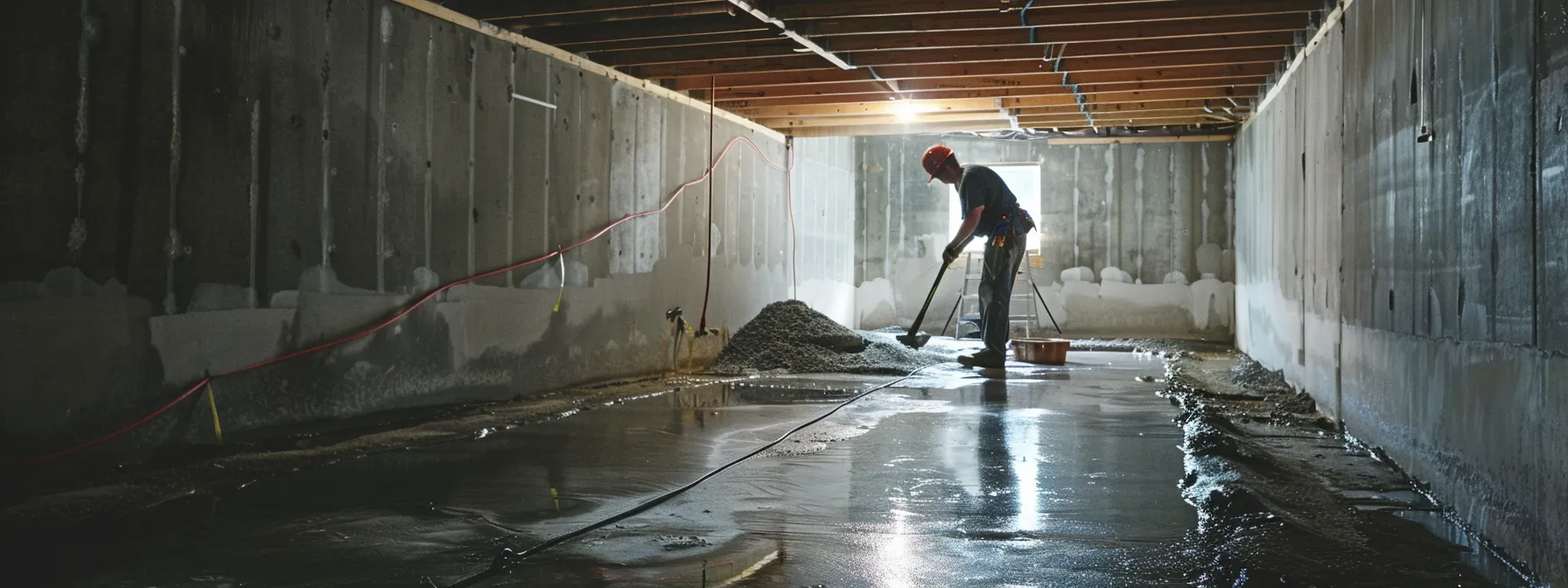
We focus on three key exterior drainage solutions to prevent a basement leak and protect against mold. First, utilizing french drains provides long-term protection by redirecting water away from foundation walls. Next, installing downspouts strategically ensures proper drainage from gutters. Lastly, creating grading around the property directs water away, safeguarding areas like concrete block foundations from future water issues.
Utilize French Drains for Long-Term Protection
Utilizing french drains can significantly reduce the risk of water infiltration and protect your basement from leaks and excess water vapor. We often recommend installing them around the perimeter of your foundation to redirect runoff away from your home effectively. By integrating a pump system with your french drains, we can ensure that any collected water is efficiently expelled, safeguarding your basement and maintaining a dry environment for years.
Install Gutters and Downspouts Strategically
When we install gutters and downspouts strategically, we effectively manage water flow around our homes, reducing the risk of moisture infiltration in our basements. Positioning downspouts at least five feet away from the foundation helps keep water away from basement systems, minimizing issues like efflorescence on walls, which indicates moisture problems. Investing time in home improvement tasks like optimizing our gutter system can lower basement waterproofing costs and protect our wood structures from damage over time.
Create Grading to Direct Water Away
Creating proper grading around your home is a crucial step in our basement waterproofing solutions. By ensuring the soil slopes away from your foundation, we can enhance the efficiency of your drainage system and minimize the risk of water pooling near the basement. Using materials such as clay for natural barriers or incorporating polyurethane and cement for reinforced areas can significantly improve water management. This simple yet effective approach not only helps to protect your basement but also ensures the longevity of your home by directing water away from where it belongs.
Optimize Interior Solutions for Cost Efficiency
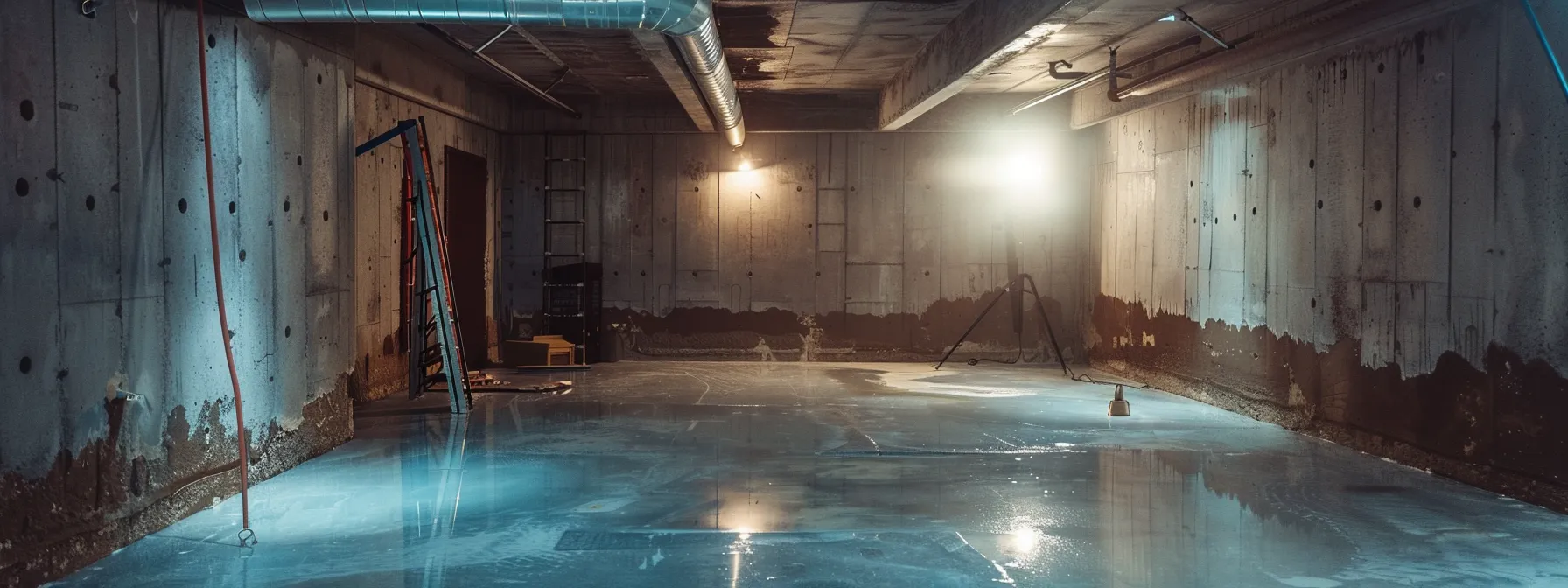
We often seek budget-friendly ways to tackle basement waterproofing through effective interior solutions. Applying interior sealants and paints can help prevent water intrusion by creating a barrier against groundwater. Investing in dehumidifiers aids moisture control while exploring sump pump options ensures we can manage drainage efficiently, reducing the risk of water damage. Let’s look at these strategies in detail.
Apply Interior Sealants and Paints
Applying interior sealants and paints is an effective and budget-friendly method for basement leak repair. These products create a protective membrane on basement walls, helping to prevent moisture from seeping through, especially during peak humidity seasons or heavy rainfall. We also recommend checking the roof for leaks; ensuring it’s in good condition can further prevent excess water from affecting your basement. By employing these solutions, we can maintain a dry and comfortable space below ground, safeguarding our home from potential damage.
Invest in Dehumidifiers for Moisture Control
Investing in dehumidifiers is essential for effective moisture control when waterproofing your basement. These units work by removing excess humidity from the air, helping prevent mold and mildew growth on your walls and floor. By pairing a dehumidifier with other strategies, such as applying bentonite clay for waterproofing your basement, we can create a comprehensive solution that keeps your space dry and energy-efficient. Regularly monitor humidity levels to ensure your dehumidifier operates at its best, safeguarding your home from moisture-related issues.
Explore Sump Pump Options
When we explore sump pump options for our wet basement, we find several budget-friendly solutions that deliver reliable performance. A submersible sump pump works well for most situations, as it operates efficiently under pressure to remove accumulated water. Investing in a sump pump also ensures that debris does not clog our drainage systems, ultimately enhancing customer service by reducing potential future repairs and maintaining a dry environment in our basements.
Understand Long-Term Maintenance and Savings
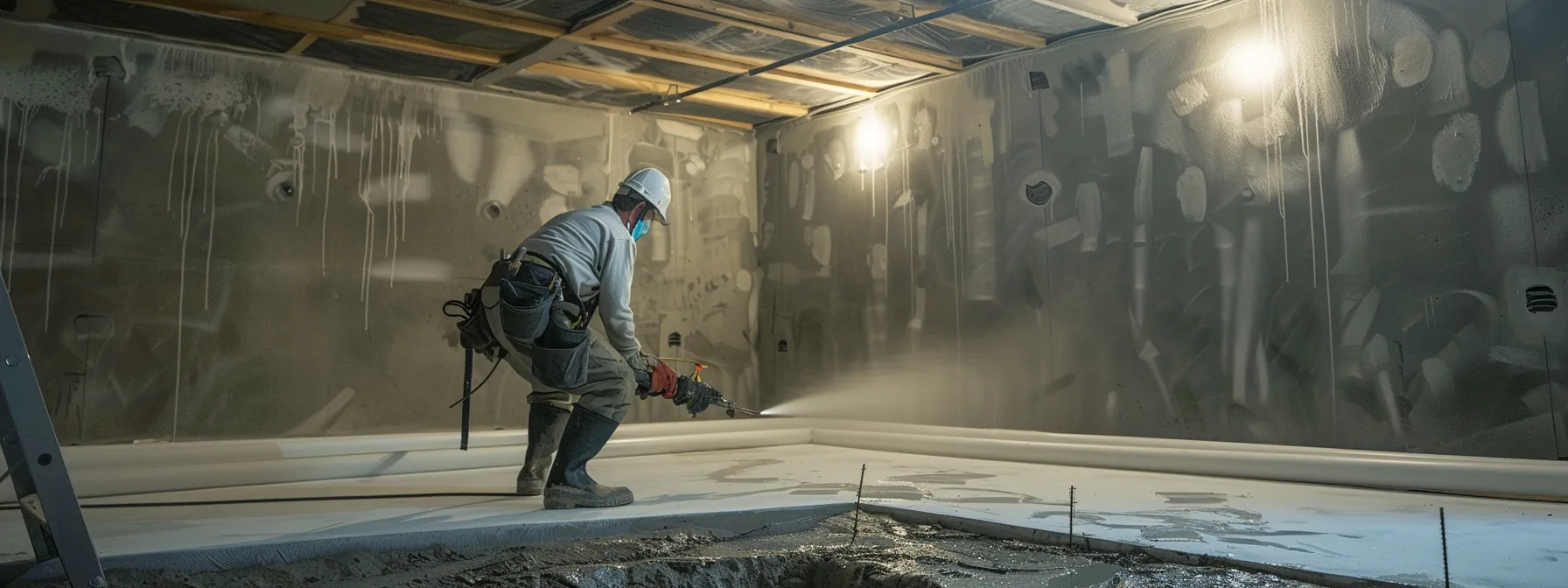
We understand the importance of maintaining a dry basement while keeping costs low. By scheduling regular inspections, we can prevent major repairs caused by issues like condensation and water table fluctuations. Maintaining landscaping is also crucial in directing water away from our foundation and avoiding puddles. Finally, tracking changes in water table levels gives us the knowledge to effectively address potential risks.
Schedule Regular Inspections to Prevent Major Repairs
Scheduling regular inspections is key to maintaining a dry basement and preventing costly repairs. By evaluating the climate and understanding how it affects your home’s drainage system, we can identify potential issues like clogged pipes or signs of flooding before they escalate. Regular checks make it easier to spot problems early, whether that means digging a trench for improved drainage or fixing a crack in the foundation:
Maintain Landscaping to Protect the Foundation
Maintaining landscaping around your home is vital in protecting your foundation and ensuring effective basement waterproofing. Proper grading and choosing the right plants can help direct water away from your home, minimizing the chances of moisture intrusion. Additionally, installing a vapor barrier beneath concrete patios or walkways can further safeguard against water seeping into the ground, reducing the risk of moisture accumulating near your foundation. By addressing these aspects, we not only enhance the appearance of our property but also strengthen the defense against water-related issues, leading to long-term savings and peace of mind for us as customers.
Track Changes to Water Table Levels
Tracking changes in water table levels is essential for effective basement waterproofing and long-term savings. By regularly monitoring these levels, I can identify how groundwater fluctuations impact my home’s foundation, allowing me to make informed decisions about drainage solutions. For instance, if I notice rising water tables after heavy rainfall, it may prompt me to implement additional protective measures to safeguard against moisture ingress.
Here’s a quick overview of the relationship between water table changes and basement protection:
Expand Knowledge on Professional Services
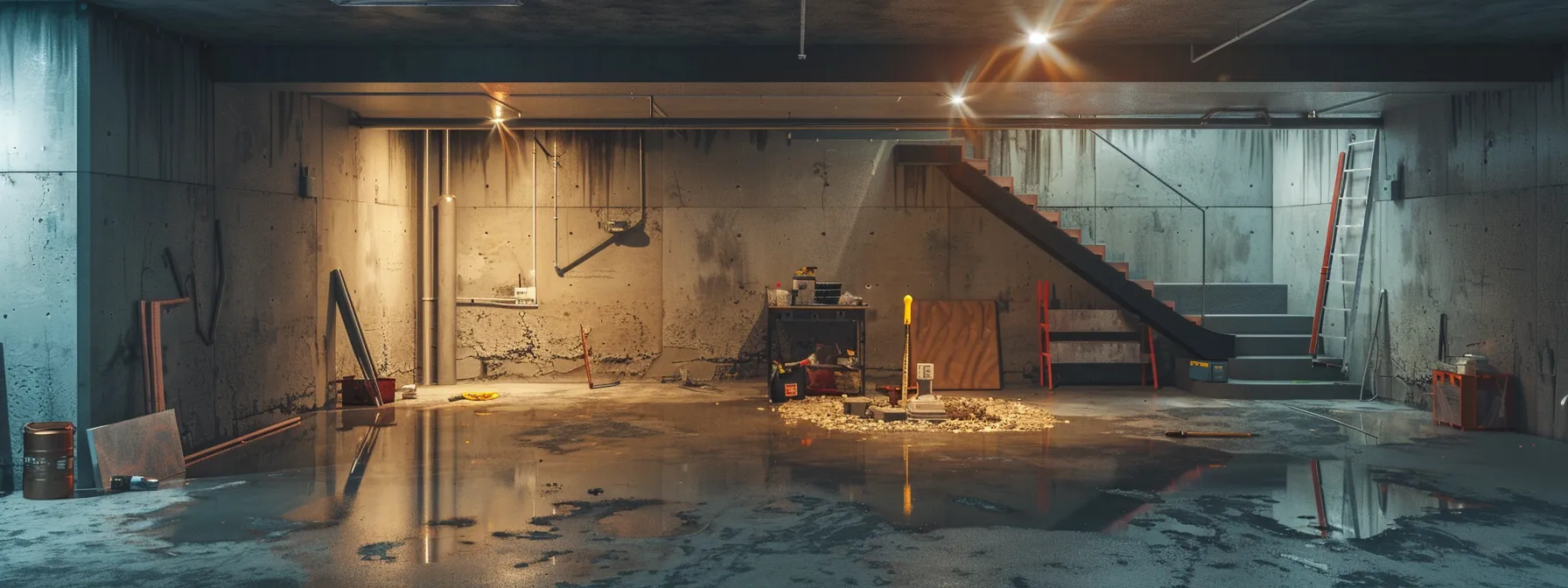
When looking into basement waterproofing Syracuse services, we know it’s essential to compare quotes to get the best value. This helps us ensure quality work without breaking the bank. We also take the time to evaluate local contractors’ experience and methods, making sure we’re choosing skilled professionals. Plus, checking warranties and guarantees gives us confidence in these services’ long-term protection so we can make the smartest decision for our home.
Compare Quotes for Value in Service
When we compare quotes for basement waterproofing, we don’t just focus on the price—we look at the full value. At SDry Basement Waterproofing Syracuse, we know that expertise, top-notch techniques, and quality materials make all the difference. By reviewing multiple quotes, we can better understand industry standards and choose a solution that fits our budget while ensuring our basement stays dry and protected for years.
Assess Experience and Methods of Local Contractors
When we assess local contractors for basement waterproofing, we prioritize experience and reliable methods. At SDry Basement Waterproofing Syracuse, we believe a solid track record speaks volumes. Seasoned professionals offer valuable insights and proven strategies that align with our budget while delivering lasting results. We always recommend checking references and past projects to make informed decisions and avoid pitfalls.
- Evaluate contractor experience and reputation.
- Look for proven waterproofing techniques tailored to your needs.
- Request references and examples of previous projects.
Investigate Warranties and Guarantees of Services
When we look into warranties and guarantees for basement waterproofing services, we know how crucial it is to understand precisely what’s being offered for long-term protection. At SDry Basement Waterproofing Syracuse, we believe a solid warranty speaks volumes about a contractor’s confidence in their work. It also gives homeowners peace of mind, knowing their basement is protected well into the future. That’s why we always take the time to clarify the terms—how long the coverage lasts, what specific repairs or services are included—so our investment in a dry, secure basement is built to last.